Tag: diabetic diet

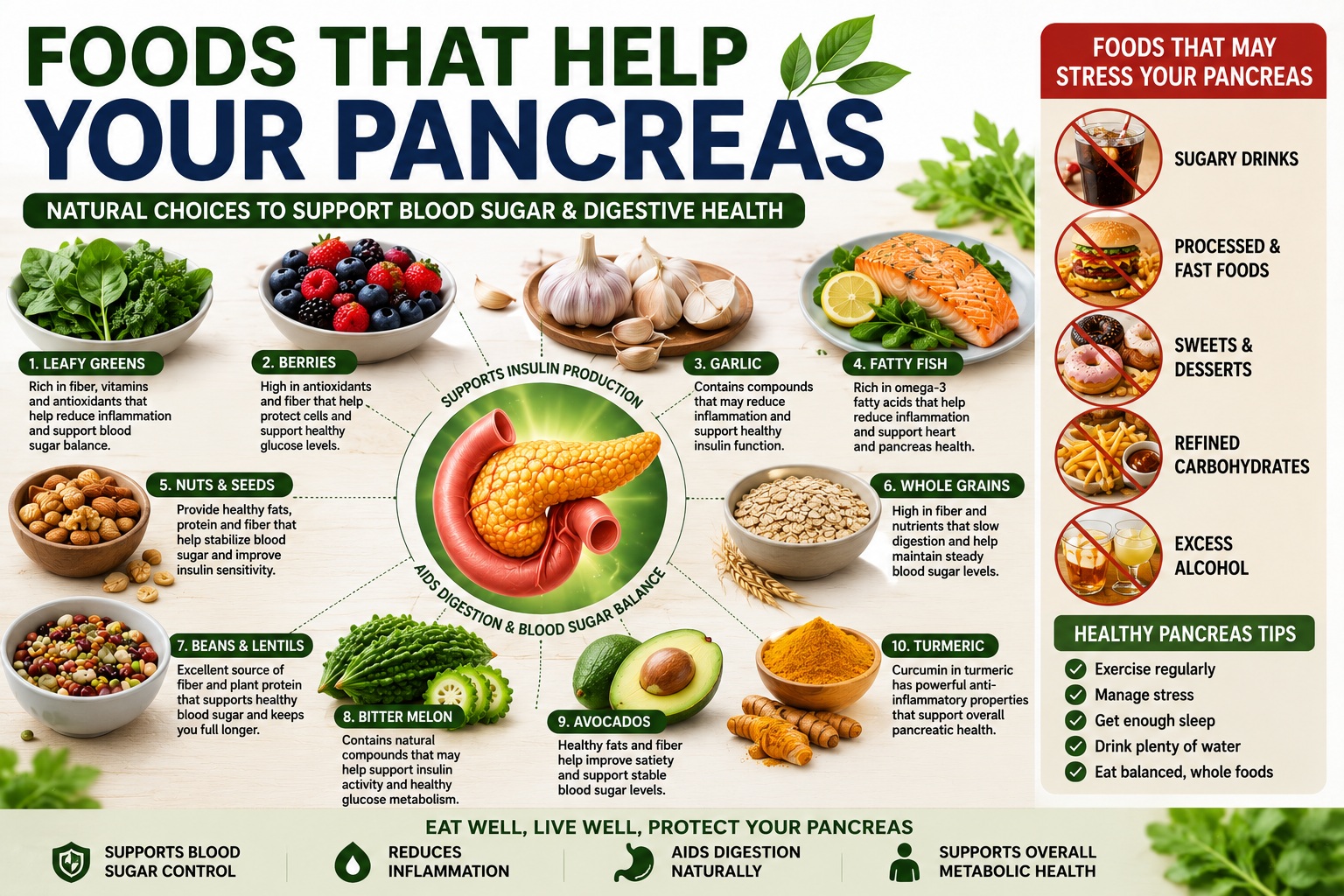
  • Foods That Help Your Pancreas: Natural Choices That May Support Blood Sugar and Digestive Health

    Foods That Help Your Pancreas: Natural Choices That May Support Blood Sugar and Digestive Health

    The pancreas is one of the body’s most important organs, yet many people rarely think about it until health problems begin to appear. This small gland located behind the stomach plays a major role in digestion and blood sugar regulation. It produces digestive enzymes and hormones like insulin that help the body process food and control glucose levels.

    Modern diets high in sugar, processed foods, unhealthy fats, and refined carbohydrates may place extra stress on the pancreas over time. As awareness about diabetes, insulin resistance, and metabolic health continues to grow, more people are searching for foods that may naturally support pancreatic health.

    While no single food can magically heal the pancreas, certain nutrient-rich foods may help reduce inflammation, improve insulin sensitivity, and support healthier blood sugar balance when combined with healthy lifestyle habits.

    Here are some of the top foods commonly associated with supporting pancreatic health naturally.

    Why Pancreatic Health Matters

    The pancreas performs two major functions:

    • Producing digestive enzymes that help break down food
    • Releasing hormones that regulate blood sugar

    When the pancreas becomes stressed or overworked, problems may develop such as:

    • Insulin resistance
    • Prediabetes
    • Type 2 diabetes
    • Digestive issues
    • Metabolic dysfunction

    Diet plays a major role in how much stress the pancreas experiences daily.

    1. Leafy Green Vegetables

    Leafy greens like spinach, kale, Swiss chard, and fenugreek leaves are packed with nutrients while remaining low in calories and sugar.

    They provide:

    • Fiber
    • Magnesium
    • Antioxidants
    • Vitamins

    These nutrients may help support blood sugar balance and reduce inflammation in the body.

    Leafy greens are also commonly recommended in balanced eating plans for metabolic health.

    2. Berries

    Blueberry, raspberries, strawberries, and blackberries contain antioxidants and fiber that may help support healthier glucose levels.

    Compared to processed sweets, berries generally have a lower glycemic impact and may satisfy sweet cravings more naturally.

    Their antioxidant content may also help reduce oxidative stress associated with metabolic problems.

    3. Garlic

    Garlic has long been studied for its anti-inflammatory and antioxidant properties.

    Some research suggests garlic may help support:

    • Circulation
    • Heart health
    • Blood sugar regulation

    It is frequently included in Mediterranean-style diets linked to long-term wellness benefits.

    4. Fatty Fish

    Fish such as salmon, sardines, trout, and mackerel contain omega-3 fatty acids that may help reduce inflammation.

    Chronic inflammation is often associated with insulin resistance and metabolic dysfunction.

    Healthy proteins may also help reduce large blood sugar spikes after meals.

    5. Nuts and Seeds

    Almonds, walnuts, flaxseeds, chia seeds, and pumpkin seeds provide:

    • Healthy fats
    • Protein
    • Fiber

    These nutrients may support more stable energy levels and healthier blood sugar responses.

    Nuts are also commonly used as healthier alternatives to processed snack foods.

    6. Whole Grains

    Whole grains digest more slowly than refined carbohydrates.

    Examples include:

    • Oats
    • Brown rice
    • Quinoa
    • Whole wheat

    Their fiber content may help slow glucose absorption and support better blood sugar control.

    7. Beans and Lentils

    Beans and lentils contain fiber, protein, and slow-digesting carbohydrates that may help support healthier glucose levels.

    Popular choices include:

    • Chickpeas
    • Black beans
    • Kidney beans
    • Lentils

    These foods are commonly recommended in balanced diabetic-friendly eating plans.

    8. Bitter Melon

    Bitter melon is widely discussed in traditional wellness practices related to blood sugar support.

    Some studies suggest bitter melon contains compounds that may mimic insulin-like activity.

    Although its taste is extremely bitter, many people consume it as:

    • Juice
    • Tea
    • Cooked vegetable
    • Supplement

    9. Avocados

    Avocados contain healthy monounsaturated fats and fiber that may support blood sugar stability and satiety.

    They are also commonly included in lower-glycemic eating plans.

    10. Turmeric

    Turmeric contains curcumin, a compound known for anti-inflammatory properties.

    Turmeric is often added to:

    • Soups
    • Curries
    • Wellness drinks
    • Herbal teas

    Interest in turmeric continues to grow in discussions around natural wellness and inflammation support.

    Foods That May Stress the Pancreas

    While some foods may support pancreatic health, others may place additional strain on the body when consumed excessively.

    These include:

    • Sugary drinks
    • Processed snacks
    • Candy
    • Deep-fried foods
    • Refined carbohydrates
    • Excess alcohol
    • Highly processed fast food

    Frequent blood sugar spikes force the pancreas to work harder over time.

    Lifestyle Habits That Support Pancreatic Health

    Food is only one part of the equation.

    Exercise

    Regular movement may improve insulin sensitivity and glucose management.

    Better Sleep

    Poor sleep may negatively affect cravings and blood sugar regulation.

    Stress Management

    Chronic stress hormones may influence metabolic health.

    Hydration

    Proper hydration supports many bodily functions, including digestion and metabolism.

    Warning Signs Your Blood Sugar May Need Attention

    People often begin researching pancreas-supportive foods after noticing symptoms like:

    • Fatigue
    • Increased thirst
    • Frequent urination
    • Sugar cravings
    • Brain fog
    • Weight gain around the abdomen
    • Hunger shortly after meals

    Persistent symptoms should always be discussed with a healthcare professional.

    Why Interest in Pancreatic Health Is Growing

    More people today are becoming aware of:

    • Rising diabetes rates
    • Hidden sugars in processed foods
    • The importance of metabolic health
    • The relationship between diet and chronic disease

    This has increased interest in natural wellness strategies and pancreas-supportive nutrition.

    The pancreas works continuously behind the scenes to help regulate blood sugar and support digestion. While modern eating habits may place stress on this important organ, healthier food choices may help support long-term pancreatic function.

    Foods like leafy greens, berries, garlic, fatty fish, nuts, beans, bitter melon, and whole grains are commonly associated with supporting metabolic health and healthier blood sugar balance.

    No single food works like magic, but small sustainable lifestyle changes may have a meaningful impact over time.
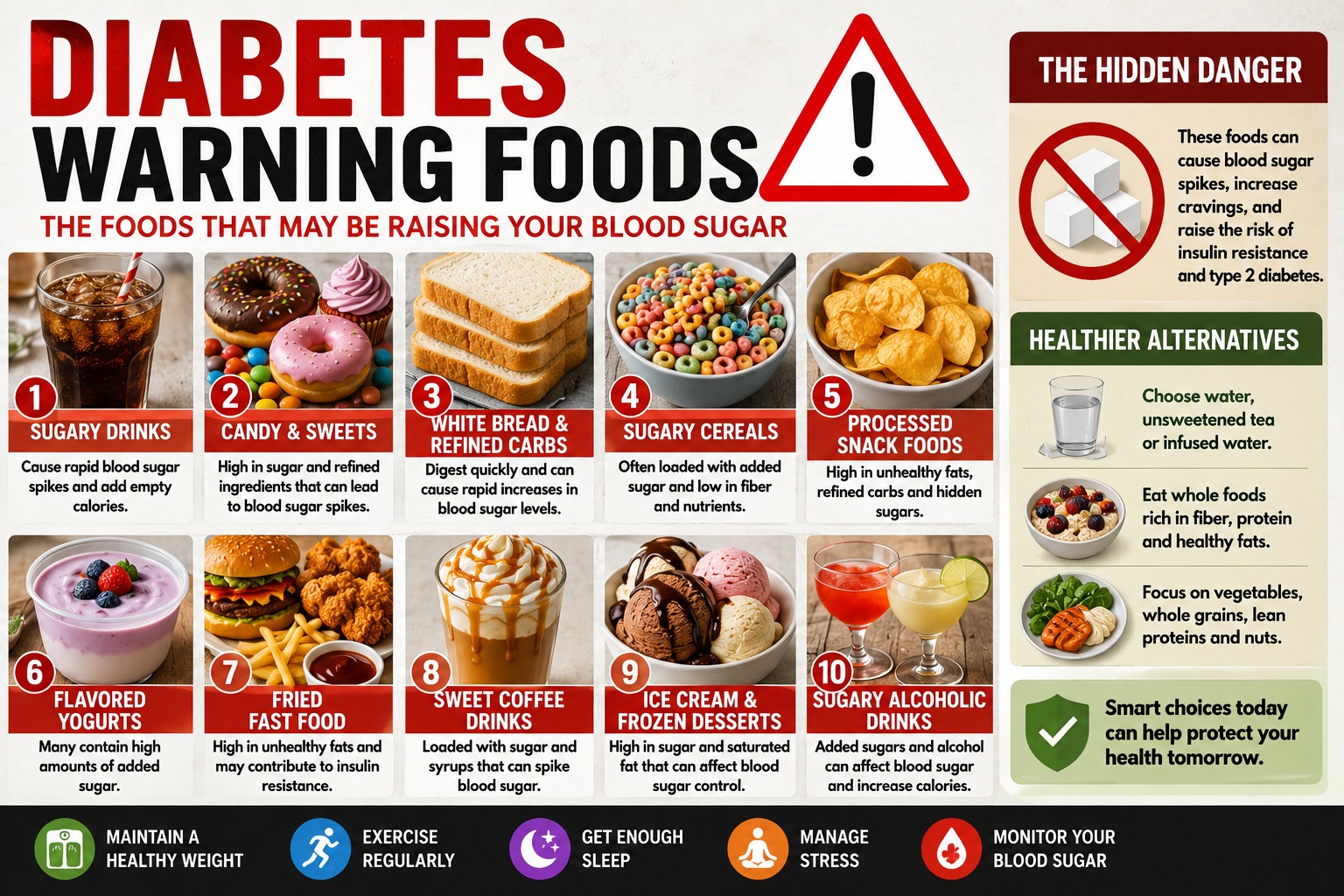
  • Diabetes Warning Foods: What May Be Raising Your Blood Sugar More Than You Think

    Diabetes Warning Foods: What May Be Raising Your Blood Sugar More Than You Think

    Diabetes and blood sugar problems are becoming increasingly common worldwide. Modern diets filled with sugary drinks, ultra-processed snacks, refined carbohydrates, and hidden sweeteners may place extra stress on the body’s ability to regulate glucose levels.

    Many people know candy and soda contain sugar, but fewer realize how many everyday foods may quietly contribute to blood sugar spikes, insulin resistance, and long-term metabolic problems.

    This is why interest in “diabetes warning foods” has grown rapidly online. People are becoming more curious about which foods may negatively affect blood sugar and what healthier alternatives they can choose instead.

    While no single food automatically causes diabetes, consistently poor dietary habits combined with inactivity and other lifestyle factors may increase the risk of:

    • Insulin resistance
    • Prediabetes
    • Type 2 diabetes
    • Obesity
    • Metabolic syndrome

    Understanding which foods may stress the body’s glucose control system can help people make smarter long-term choices.

    What Happens When Blood Sugar Spikes?

    When sugary or highly refined foods are consumed, blood sugar levels rise quickly.

    The pancreas releases insulin to help move glucose into the body’s cells for energy.

    Frequent blood sugar spikes may:

    • Increase insulin demand
    • Promote fat storage
    • Increase cravings
    • Affect energy levels
    • Contribute to insulin resistance over time

    The more often the body experiences rapid glucose spikes, the harder the pancreas may need to work.

    1. Sugary Drinks

    Sugary beverages are among the most commonly discussed diabetes warning foods.

    These include:

    • Soft drinks
    • Energy drinks
    • Sweetened teas
    • Flavored coffee beverages
    • Sports drinks

    Liquid sugar absorbs rapidly into the bloodstream and may create significant glucose spikes.

    Unlike whole foods, sugary drinks often provide little fiber or satiety, making overconsumption easier.

    1. Candy and Sweets

    Candy, pastries, cakes, donuts, and desserts often contain:

    • Refined sugar
    • White flour
    • Unhealthy fats

    These combinations may rapidly increase blood sugar while offering limited nutritional value.

    Frequent consumption may contribute to long-term metabolic stress.

    1. White Bread and Refined Carbohydrates

    Foods made from refined flour digest quickly and may behave similarly to sugar in the body.

    Examples include:

    • White bread
    • White pasta
    • Crackers
    • Pastries
    • Many packaged snack foods

    Refined carbohydrates generally contain less fiber than whole-grain alternatives.

    1. Sugary Breakfast Cereals

    Many cereals marketed as “healthy” contain surprisingly high amounts of added sugar.

    These products may lead to:

    • Morning blood sugar spikes
    • Increased hunger later in the day
    • Energy crashes

    People often underestimate how much sugar is hidden inside flavored cereals and granola products.

    1. Processed Snack Foods

    Chips, packaged cookies, snack bars, and fast-food items are often highly processed and calorie-dense.

    Many contain:

    • Refined carbohydrates
    • Added sugars
    • Excess sodium
    • Unhealthy fats

    Frequent consumption may contribute to poor metabolic health over time.

    1. Flavored Yogurts

    Some flavored yogurts contain large amounts of added sugar despite being marketed as healthy products.

    Plain yogurt with fresh fruit is often considered a better option for people trying to reduce sugar intake.

    1. Fried Fast Food

    Deep-fried foods may contribute to:

    • Weight gain
    • Inflammation
    • Insulin resistance

    Fast-food meals are also often high in refined carbohydrates and unhealthy fats.

    1. Sweet Coffee Drinks

    Coffee itself is not necessarily the problem.

    The issue is often:

    • Flavored syrups
    • Whipped cream
    • Added sugars
    • High-calorie creamers

    Some café beverages may contain as much sugar as desserts.

    1. Ice Cream and Frozen Desserts

    Many frozen desserts combine:

    • Sugar
    • Saturated fat
    • Artificial flavorings

    Frequent overconsumption may contribute to blood sugar imbalance and excess calorie intake.

    1. Alcoholic Drinks With Added Sugar

    Cocktails, flavored alcoholic beverages, and sugary mixers may affect blood sugar regulation.

    Alcohol may also influence appetite and decision-making around food choices.

    Hidden Sugars People Often Miss

    Sugar appears under many different names on food labels.

    Examples include:

    • Corn syrup
    • Dextrose
    • Fructose
    • Maltose
    • Cane sugar
    • Rice syrup
    • Agave syrup

    Learning to read ingredient labels can help reduce unnecessary sugar intake.

    Why Modern Diets Create Blood Sugar Problems

    Modern eating habits often involve:

    • Frequent snacking
    • Processed convenience foods
    • Sugary beverages
    • Large portion sizes
    • Sedentary lifestyles

    Over time, these habits may place continuous pressure on insulin production and glucose regulation.

    Healthier Alternatives People Are Exploring

    Many people trying to support healthier blood sugar levels are shifting toward:

    • Whole foods
    • Fiber-rich meals
    • Lean proteins
    • Leafy greens
    • Berries
    • Nuts and seeds
    • Whole grains
    • Water instead of sugary drinks

    Small sustainable changes are often easier to maintain long-term.

    Common Warning Signs of Blood Sugar Imbalance

    People often begin researching diabetes warning foods after experiencing symptoms like:

    • Fatigue
    • Increased thirst
    • Frequent urination
    • Brain fog
    • Sugar cravings
    • Hunger shortly after meals
    • Weight gain around the abdomen

    Persistent symptoms should always be discussed with a healthcare professional.

    Why Interest in Diabetes Warning Foods Is Growing

    Awareness around:

    • Hidden sugars
    • Insulin resistance
    • Metabolic health
    • Processed food consumption

    has increased significantly in recent years.

    Many people are now trying to better understand how everyday foods affect their long-term health.

    Can You Still Enjoy Treats?

    Healthy eating does not usually require perfection.

    Many experts encourage balance rather than extreme restriction.

    The goal for many people is reducing excessive sugar intake while building more sustainable eating habits over time.

    Many diabetes warning foods are highly processed products that may contribute to rapid blood sugar spikes, increased insulin demand, and long-term metabolic stress when consumed frequently.

    Sugary drinks, refined carbohydrates, processed snacks, and hidden sugars are among the biggest concerns in modern diets.

    Understanding how these foods affect blood sugar can help people make more informed decisions and support healthier long-term habits.

    Small changes made consistently may have a meaningful impact on overall metabolic health and blood sugar balance.

  • 10 Best Foods to Help Support Healthy Blood Sugar Levels

    10 Best Foods to Help Support Healthy Blood Sugar Levels

    Maintaining healthy blood sugar levels is one of the most important parts of long-term wellness. Blood sugar affects energy, metabolism, appetite, mood, and overall health. When blood sugar levels remain consistently high, the risk of insulin resistance, prediabetes, and type 2 diabetes may increase.

    Modern diets filled with sugary drinks, processed snacks, and refined carbohydrates can place extra pressure on the body’s glucose regulation system. As a result, more people are searching for natural ways to support balanced blood sugar levels through healthier food choices.

    While no single food can “cure” blood sugar problems, certain foods may help stabilize glucose levels, improve insulin sensitivity, and reduce rapid sugar spikes when included as part of a balanced lifestyle.

    Here are 10 of the best foods that may help support healthy blood sugar levels naturally.

    1. Leafy Green Vegetables

    Dark leafy greens like spinach, kale, Swiss chard, and fenugreek leaves are packed with nutrients while remaining low in carbohydrates.

    They contain:

    • Fiber
    • Magnesium
    • Antioxidants
    • Vitamins

    Fiber may help slow sugar absorption into the bloodstream, reducing sudden spikes after meals.

    Leafy greens are also commonly recommended in balanced eating plans for people trying to improve metabolic health.

    2. Berries

    Blueberry, strawberries, raspberries, and blackberries are rich in antioxidants and fiber.

    Compared to processed sweets, berries generally have a lower glycemic impact and may help satisfy sweet cravings more naturally.

    Their antioxidants may also help reduce oxidative stress associated with blood sugar imbalance.

    3. Nuts

    Almonds, walnuts, pistachios, and cashews provide:

    • Healthy fats
    • Protein
    • Fiber

    These nutrients may help improve satiety and reduce rapid blood sugar fluctuations after eating.

    Many people also use nuts as healthier snack alternatives to processed sugary foods.

    4. Whole Grains

    Whole grains digest more slowly than refined carbohydrates.

    Examples include:

    • Oats
    • Brown rice
    • Quinoa
    • Whole wheat

    Their fiber content may help create more stable glucose release and support longer-lasting energy.

    5. Fatty Fish

    Salmon, sardines, trout, and mackerel contain omega-3 fatty acids, which may support heart health and reduce inflammation.

    Inflammation and insulin resistance are often connected, making healthy fats an important part of balanced nutrition.

    Protein-rich meals may also reduce blood sugar spikes compared to highly processed carbohydrate-heavy meals.

    6. Beans and Lentils

    Beans and lentils are rich in:

    • Fiber
    • Protein
    • Slow-digesting carbohydrates

    This combination may help improve blood sugar stability and appetite control.

    Popular options include:

    • Black beans
    • Chickpeas
    • Kidney beans
    • Lentils

    7. Avocados

    Avocados contain healthy monounsaturated fats and fiber.

    These nutrients may help:

    • Slow digestion
    • Improve satiety
    • Reduce blood sugar fluctuations

    Avocados are also commonly included in lower-glycemic eating plans.

    8. Garlic

    Garlic has long been studied for its potential anti-inflammatory and metabolic benefits.

    Some research suggests garlic may support:

    • Heart health
    • Circulation
    • Blood sugar regulation

    It is commonly used in Mediterranean-style diets associated with better long-term wellness outcomes.

    9. Bitter Melon

    Bitter melon is widely discussed in traditional wellness practices related to glucose management.

    Some studies suggest compounds within bitter melon may support insulin-like activity and blood sugar metabolism.

    Although its taste is very bitter, many people consume it as:

    • Juice
    • Tea
    • Stir-fried vegetable
    • Supplement

    10. Cinnamon

    Cinnamon is one of the most searched spices related to blood sugar support.

    Some studies suggest cinnamon may help improve insulin sensitivity in certain individuals when combined with healthier lifestyle habits.

    It can easily be added to:

    • Oatmeal
    • Smoothies
    • Tea
    • Yogurt

    Foods That May Increase Blood Sugar Spikes

    While some foods may support healthier glucose control, others may place more stress on the body when consumed frequently.

    These include:

    • Sugary drinks
    • Candy
    • White bread
    • Processed snacks
    • Sweet desserts
    • Refined carbohydrates
    • Highly processed fast food

    Frequent sugar spikes may contribute to insulin resistance over time.

    Lifestyle Habits That Support Healthy Blood Sugar

    Food matters, but lifestyle habits are equally important.

    Regular Exercise

    Movement helps the body use insulin more efficiently.

    Better Sleep

    Poor sleep may increase cravings and affect blood sugar regulation.

    Stress Management

    Chronic stress hormones may influence glucose levels.

    Hydration

    Drinking enough water supports many metabolic functions.

    Common Signs of Blood Sugar Imbalance

    People often begin researching blood sugar support after experiencing symptoms like:

    • Fatigue
    • Sugar cravings
    • Increased thirst
    • Brain fog
    • Frequent urination
    • Low energy after meals
    • Weight gain around the abdomen

    Persistent symptoms should always be discussed with a healthcare professional.

    Why Interest in Blood Sugar Superfoods Is Growing

    More people today are becoming aware of:

    • Rising diabetes rates
    • Hidden sugars in processed foods
    • Metabolic health risks
    • The connection between diet and long-term wellness

    This has increased interest in natural blood sugar support through nutrition and healthier lifestyle habits.

    Healthy blood sugar levels play an important role in overall wellness, energy, and long-term metabolic health. While no food works like magic, nutrient-rich foods such as leafy greens, berries, nuts, whole grains, fatty fish, beans, garlic, and bitter melon may help support more stable glucose levels when combined with healthier daily habits.

    Small, consistent changes often make the biggest long-term difference. Understanding which foods support blood sugar balance may help people make smarter choices for better overall health.

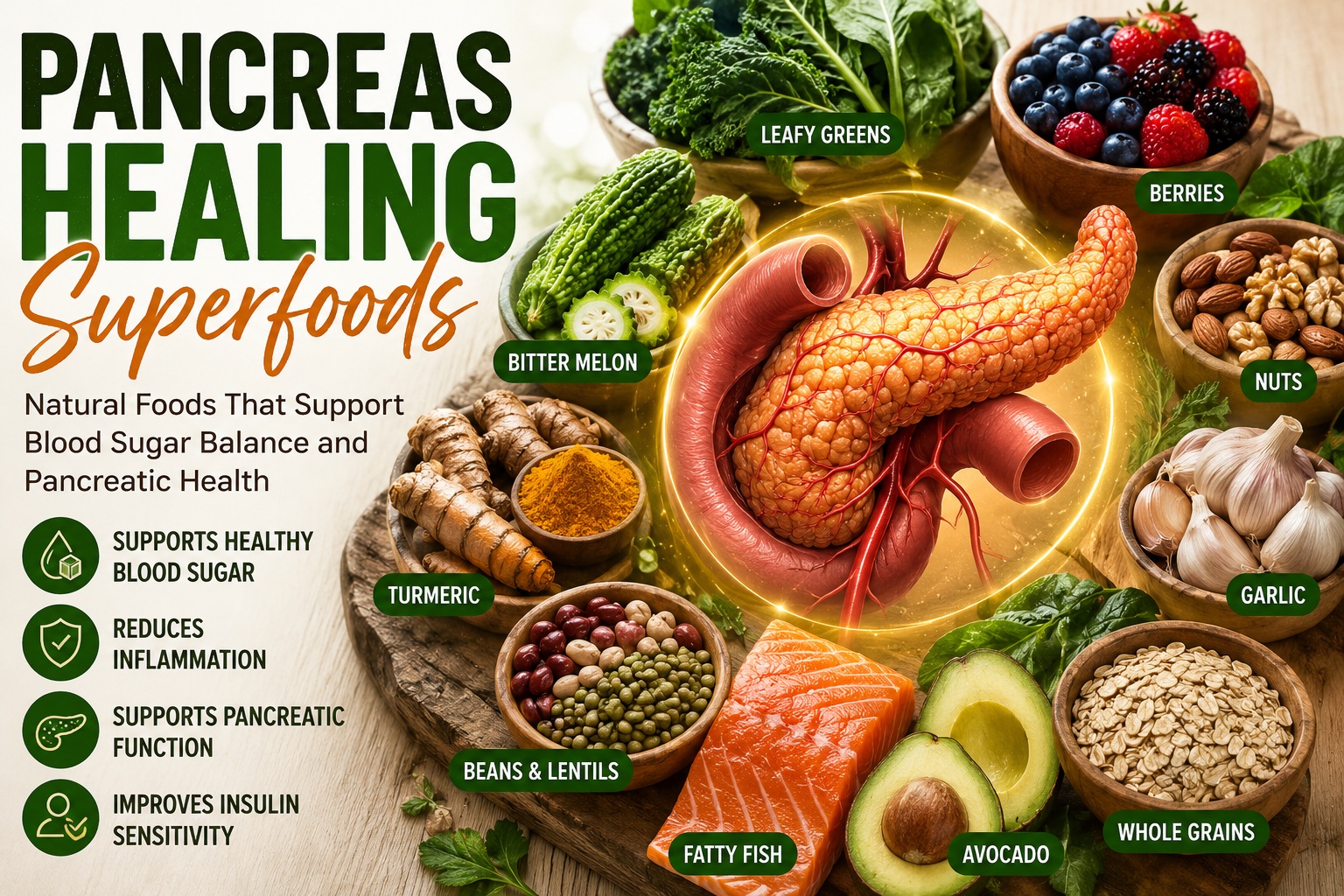
  • Pancreas Healing Superfoods: Foods That May Support Blood Sugar and Pancreatic Health

    Pancreas Healing Superfoods: Foods That May Support Blood Sugar and Pancreatic Health

    The pancreas is one of the body’s most important organs, yet many people rarely think about it until blood sugar problems begin to appear. This small gland located behind the stomach plays a major role in digestion and insulin production, helping regulate glucose levels and support overall metabolic health.

    Modern diets filled with processed foods, refined sugars, and unhealthy fats may place extra stress on the pancreas over time. As interest in diabetes prevention and blood sugar management grows, many people are searching for foods that may help support pancreatic function naturally.

    This is where “pancreas healing superfoods” have gained attention.

    While no single food can magically heal the pancreas overnight, certain nutrient-rich foods may help reduce inflammation, support insulin sensitivity, and promote healthier blood sugar balance when combined with a healthy lifestyle.

    Why Pancreatic Health Matters

    The pancreas performs two essential functions:

    • Producing digestive enzymes
    • Releasing hormones like insulin and glucagon

    Insulin helps move sugar from the bloodstream into the body’s cells for energy. When the pancreas struggles to produce enough insulin or the body becomes resistant to insulin, blood sugar problems may develop.

    Over time, poor dietary habits and chronic inflammation may contribute to:

    • Insulin resistance
    • Prediabetes
    • Type 2 diabetes
    • Metabolic syndrome

    This is why more people are exploring foods that may help support pancreatic health naturally.

    Can Food Really Help the Pancreas?

    A healthy diet may help reduce stress on the pancreas by:

    • Stabilizing blood sugar
    • Reducing inflammation
    • Supporting healthy weight management
    • Improving insulin sensitivity

    Although food alone cannot cure diabetes or pancreatic disease, long-term nutrition habits can significantly affect metabolic health.

    1. Bitter Melon

    Bitter melon is one of the most discussed foods in traditional wellness practices related to blood sugar management.

    Some studies suggest bitter melon contains compounds that may mimic insulin activity and support glucose metabolism.

    Why people use it:

    • May help reduce blood sugar spikes
    • Often consumed as juice, tea, or cooked vegetable
    • Popular in many Asian wellness traditions

    Its bitter taste is not for everyone, but it remains widely searched among people interested in natural blood sugar support.

    2. Leafy Green Vegetables

    Dark leafy greens like spinach, kale, fenugreek leaves, and Swiss chard are packed with:

    • Fiber
    • Magnesium
    • Antioxidants
    • Vitamins

    These nutrients may help reduce inflammation and improve blood sugar balance.

    Leafy greens are also low in calories and carbohydrates, making them popular among people trying to support metabolic health.

    3. Berries

    Blueberry, strawberries, raspberries, and blackberries contain antioxidants and fiber that may help reduce oxidative stress in the body.

    Compared to processed sweets, berries generally have a lower glycemic impact and may satisfy sweet cravings more naturally.

    Many nutrition experts recommend berries as part of balanced blood sugar-friendly eating plans.

    4. Nuts and Seeds

    Almonds, walnuts, flaxseeds, and chia seeds contain:

    • Healthy fats
    • Protein
    • Fiber

    These nutrients may help slow digestion and reduce rapid blood sugar spikes after meals.

    Nuts are also associated with better satiety, helping some people reduce cravings for highly processed snacks.

    5. Garlic

    Garlic has long been studied for its anti-inflammatory and antioxidant properties.

    Some research suggests garlic may support:

    • Heart health
    • Blood sugar regulation
    • Reduced oxidative stress

    It is commonly included in Mediterranean-style diets associated with better metabolic health outcomes.

    6. Whole Grains

    Unlike refined white flour products, whole grains contain more fiber and nutrients.

    Examples include:

    • Oats
    • Brown rice
    • Quinoa
    • Whole wheat

    Fiber helps slow glucose absorption and may reduce sudden blood sugar spikes.

    7. Fatty Fish

    Fish like salmon, sardines, and mackerel provide omega-3 fatty acids, which may help reduce inflammation.

    Chronic inflammation is often linked with metabolic dysfunction and insulin resistance.

    Adding healthy protein sources may also improve meal balance and satiety.

    8. Turmeric

    Turmeric contains curcumin, a compound known for anti-inflammatory properties.

    Many people use turmeric in:

    • Teas
    • Soups
    • Curries
    • Wellness drinks

    Although research is ongoing, turmeric continues to attract attention in natural wellness discussions.

    9. Avocados

    Avocados provide healthy monounsaturated fats and fiber that may help support blood sugar stability.

    They are also filling, which may help reduce overeating and processed food cravings.

    10. Beans and Lentils

    Beans and lentils digest slowly due to their fiber and protein content.

    This slower digestion may support:

    • More stable energy levels
    • Reduced blood sugar spikes
    • Better appetite control

    They are commonly recommended in balanced eating plans for metabolic health.

    Foods That May Increase Stress on the Pancreas

    While some foods may support pancreatic health, others may place extra strain on the body when consumed excessively.

    These include:

    • Sugary drinks
    • Candy
    • Ultra-processed snacks
    • Excess alcohol
    • Deep-fried foods
    • Refined carbohydrates
    • High-sugar desserts

    Frequent blood sugar spikes force the pancreas to work harder over time.

    Lifestyle Habits That Support Pancreatic Health

    Food is important, but overall lifestyle matters too.

    Exercise

    Regular movement may improve insulin sensitivity and help the body use glucose more efficiently.

    Better Sleep

    Poor sleep is linked with blood sugar imbalance and increased cravings.

    Stress Management

    Chronic stress may affect hormones related to blood sugar regulation.

    Hydration

    Drinking enough water supports many metabolic processes in the body.

    Common Myths About “Healing” the Pancreas

    Many viral claims online promise quick fixes or miracle cures. It is important to approach these carefully.

    No single food can:

    • Instantly reverse diabetes
    • Completely repair severe pancreatic damage
    • Replace medical treatment

    However, consistent healthy habits may significantly improve metabolic health over time.

    Signs Your Blood Sugar May Need Attention

    People often begin researching pancreas-supportive foods after experiencing symptoms like:

    • Fatigue
    • Increased thirst
    • Sugar cravings
    • Frequent urination
    • Brain fog
    • Weight gain
    • Low energy after meals

    These symptoms should not be ignored, especially if persistent.

    Why Interest in Pancreas Superfoods Is Growing

    More people today are becoming aware of:

    • Rising diabetes rates
    • Hidden sugars in processed foods
    • Long-term effects of poor diet
    • The importance of metabolic health

    As a result, searches related to “pancreas healing foods” and “blood sugar superfoods” continue to grow globally.

    The pancreas works continuously behind the scenes to help regulate blood sugar and support digestion. While modern diets and lifestyle habits may increase stress on this important organ, healthier daily choices may help support long-term pancreatic function.

    Foods like leafy greens, berries, nuts, fatty fish, garlic, and bitter melon are often discussed for their potential role in supporting blood sugar balance and reducing inflammation.

    There is no miracle cure for pancreatic health, but small sustainable habits can make a meaningful difference over time.

    Understanding pancreas healing superfoods is ultimately about supporting the body naturally through better nutrition, movement, and healthier everyday choices.