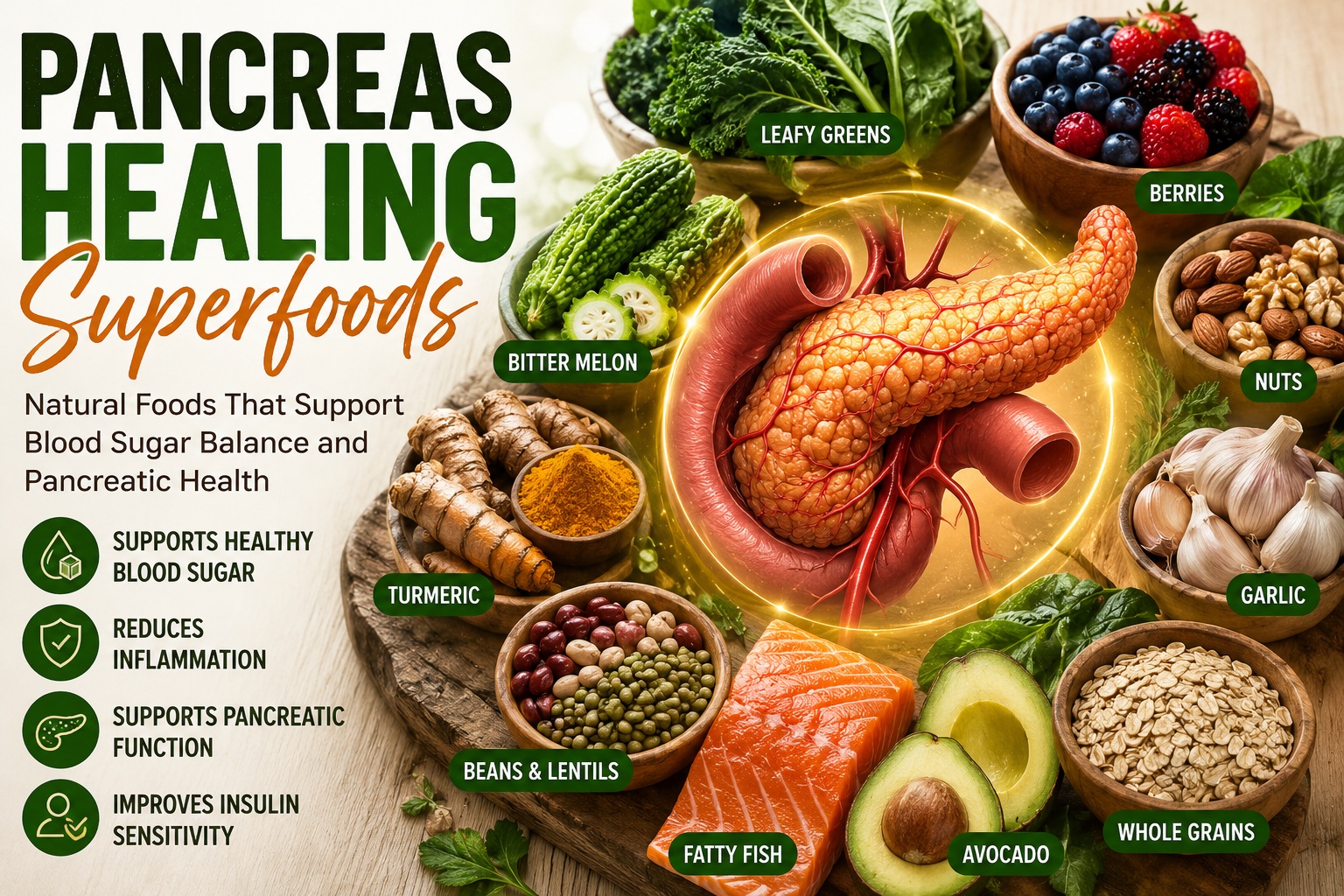
The pancreas is one of the body’s most important organs, yet many people rarely think about it until health problems begin to appear. This small gland located behind the stomach plays a major role in digestion and blood sugar regulation. It produces digestive enzymes and hormones like insulin that help the body process food and control glucose levels.
Modern diets high in sugar, processed foods, unhealthy fats, and refined carbohydrates may place extra stress on the pancreas over time. As awareness about diabetes, insulin resistance, and metabolic health continues to grow, more people are searching for foods that may naturally support pancreatic health.
While no single food can magically heal the pancreas, certain nutrient-rich foods may help reduce inflammation, improve insulin sensitivity, and support healthier blood sugar balance when combined with healthy lifestyle habits.
Here are some of the top foods commonly associated with supporting pancreatic health naturally.
Why Pancreatic Health Matters
The pancreas performs two major functions:
- Producing digestive enzymes that help break down food
- Releasing hormones that regulate blood sugar
When the pancreas becomes stressed or overworked, problems may develop such as:
- Insulin resistance
- Prediabetes
- Type 2 diabetes
- Digestive issues
- Metabolic dysfunction
Diet plays a major role in how much stress the pancreas experiences daily.
1. Leafy Green Vegetables
Leafy greens like spinach, kale, Swiss chard, and fenugreek leaves are packed with nutrients while remaining low in calories and sugar.
They provide:
- Fiber
- Magnesium
- Antioxidants
- Vitamins
These nutrients may help support blood sugar balance and reduce inflammation in the body.
Leafy greens are also commonly recommended in balanced eating plans for metabolic health.
2. Berries
Blueberry, raspberries, strawberries, and blackberries contain antioxidants and fiber that may help support healthier glucose levels.
Compared to processed sweets, berries generally have a lower glycemic impact and may satisfy sweet cravings more naturally.
Their antioxidant content may also help reduce oxidative stress associated with metabolic problems.
3. Garlic
Garlic has long been studied for its anti-inflammatory and antioxidant properties.
Some research suggests garlic may help support:
- Circulation
- Heart health
- Blood sugar regulation
It is frequently included in Mediterranean-style diets linked to long-term wellness benefits.
4. Fatty Fish
Fish such as salmon, sardines, trout, and mackerel contain omega-3 fatty acids that may help reduce inflammation.
Chronic inflammation is often associated with insulin resistance and metabolic dysfunction.
Healthy proteins may also help reduce large blood sugar spikes after meals.
5. Nuts and Seeds
Almonds, walnuts, flaxseeds, chia seeds, and pumpkin seeds provide:
- Healthy fats
- Protein
- Fiber
These nutrients may support more stable energy levels and healthier blood sugar responses.
Nuts are also commonly used as healthier alternatives to processed snack foods.
6. Whole Grains
Whole grains digest more slowly than refined carbohydrates.
Examples include:
- Oats
- Brown rice
- Quinoa
- Whole wheat
Their fiber content may help slow glucose absorption and support better blood sugar control.
7. Beans and Lentils
Beans and lentils contain fiber, protein, and slow-digesting carbohydrates that may help support healthier glucose levels.
Popular choices include:
- Chickpeas
- Black beans
- Kidney beans
- Lentils
These foods are commonly recommended in balanced diabetic-friendly eating plans.
8. Bitter Melon
Bitter melon is widely discussed in traditional wellness practices related to blood sugar support.
Some studies suggest bitter melon contains compounds that may mimic insulin-like activity.
Although its taste is extremely bitter, many people consume it as:
- Juice
- Tea
- Cooked vegetable
- Supplement
9. Avocados
Avocados contain healthy monounsaturated fats and fiber that may support blood sugar stability and satiety.
They are also commonly included in lower-glycemic eating plans.
10. Turmeric
Turmeric contains curcumin, a compound known for anti-inflammatory properties.
Turmeric is often added to:
- Soups
- Curries
- Wellness drinks
- Herbal teas
Interest in turmeric continues to grow in discussions around natural wellness and inflammation support.
Foods That May Stress the Pancreas
While some foods may support pancreatic health, others may place additional strain on the body when consumed excessively.
These include:
- Sugary drinks
- Processed snacks
- Candy
- Deep-fried foods
- Refined carbohydrates
- Excess alcohol
- Highly processed fast food
Frequent blood sugar spikes force the pancreas to work harder over time.
Lifestyle Habits That Support Pancreatic Health
Food is only one part of the equation.
Exercise
Regular movement may improve insulin sensitivity and glucose management.
Better Sleep
Poor sleep may negatively affect cravings and blood sugar regulation.
Stress Management
Chronic stress hormones may influence metabolic health.
Hydration
Proper hydration supports many bodily functions, including digestion and metabolism.
Warning Signs Your Blood Sugar May Need Attention
People often begin researching pancreas-supportive foods after noticing symptoms like:
- Fatigue
- Increased thirst
- Frequent urination
- Sugar cravings
- Brain fog
- Weight gain around the abdomen
- Hunger shortly after meals
Persistent symptoms should always be discussed with a healthcare professional.
Why Interest in Pancreatic Health Is Growing
More people today are becoming aware of:
- Rising diabetes rates
- Hidden sugars in processed foods
- The importance of metabolic health
- The relationship between diet and chronic disease
This has increased interest in natural wellness strategies and pancreas-supportive nutrition.
The pancreas works continuously behind the scenes to help regulate blood sugar and support digestion. While modern eating habits may place stress on this important organ, healthier food choices may help support long-term pancreatic function.
Foods like leafy greens, berries, garlic, fatty fish, nuts, beans, bitter melon, and whole grains are commonly associated with supporting metabolic health and healthier blood sugar balance.
No single food works like magic, but small sustainable lifestyle changes may have a meaningful impact over time.